

From a young age, I always questioned if there was something wrong with me, because I was shy. And while that is not a striking detail about myself – after all, shyness isn’t uncommon – I still felt overwhelmed with life, not enjoying kids parties, watching from the sidelines as the music and lights were all a little too much for me. Now as an adult, I recognise what I was experiencing as sensory overload, as I was a child with undiagnosed autism.
It took 22 years for me to figure out a key part of who I am. Which is why only recently I have been diagnosed with Autism. And no, I did not have a “finally, everything makes sense” moment – but I did understand.
And while I did not know I was autistic until recently, I always found myself supported by certain pieces of media. However, it is a fact that girls are more likely to go undiagnosed with autism than boys, and this is reflected in society. We see more shows, movies, and books focused on autism in boys, so I always found myself feeling a little lost with who I could find relatable in the media, as representation was most commonly focused on autistic boys’ experience.
Last year I found myself watching Derry Girls, a British sitcom set in Northern Ireland in the early 1990s. While I couldn’t relate to all of the themes in the show – I was born in 2000 in England, shielded from the conflict between the two countries up until my history A-level, and even then I hadn’t lived through it, something they are portraying for the five young teenagers growing up in Derry – there was one character I immediately found myself drawn to. Orla, while they may come across as the comedy act to some because of their quirkiness and silly one liners that often have their friends giving them funny looks, to me I found a character that I could see was autistic.
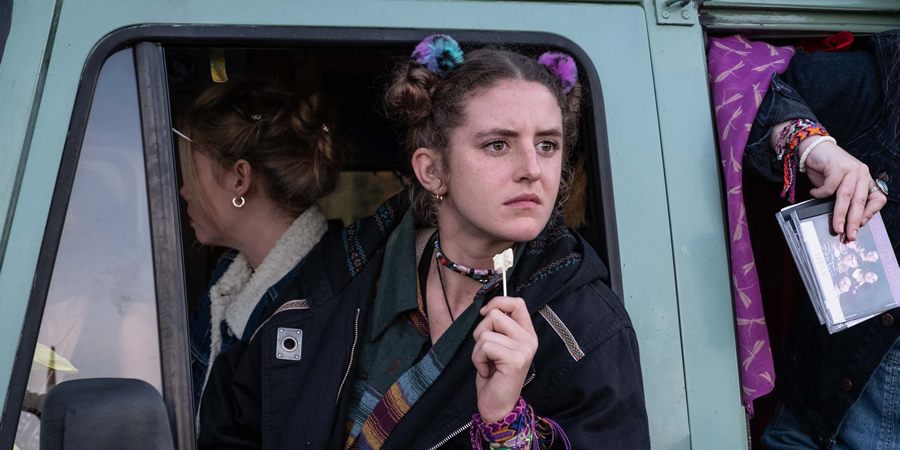
One thing that really stood out to me was that Orla does not think she is odd or quirky; she is being herself. This allowed me to reflect upon how I saw myself as a child, questioning if I was too concerned with the thoughts others may have – questioning if it was weird that I did not want to be at a children’s party where everyone else was having fun. Orla is an example of a character that is free from concerns around judgment. A memorable scene is when she dances to Take That for the school talent show. While there are some snickers coming from the audience – as a viewer I am reminded that kids can be mean – I am also impressed by how unfazed Orla is by the reactions. She is happy and enjoying herself, which is the goal of the talent show.
It raises a great question about how the world sees autistic people vs how autistic people view themselves. There is one scene in particular: the teenagers are opening their exam results, and Orla secures the grades they need – however, Orla’s cousin Erin also got the same grades. This shocks Erin, who expected to do better than Orla, and as a viewer I am reminded of how Orla is seen as the comical character, not the character that is of high success like her cousin strives to have.
I find Derry Girls overall comforting. I recognise myself in Orla because of their niche interests – step aerobics, to give one example – the sensitivity to loud noises, which is highlighted by actions such as covering their ears while friends argue, and reactions to textures. I think, as an autistic female, I appreciate representation in the media, as in society we still struggle with the balance between autism and what makes an individual autistic.
Looking back, I have always struggled with tone and ‘reading the room.’ To me, Orla shares that similarity of making comments – for example, her cousin Erin is trying to flirt with a guy, and Orla cuts in that Erin won’t be able to go on a date tonight as she never misses Murder She Wrote. While some parts of Orla are put in place for comedic value, and often to annoy her friends, I find myself in Orla in many ways.
I recommend Derry Girls to everyone, but particularly to any neurodivergent teenagers that are looking for a character that they may feel connected to.
Chloe McGill
Follow our blog for weekly articles on the power of stories changing lives ✨

 BREAKING JAR LTD